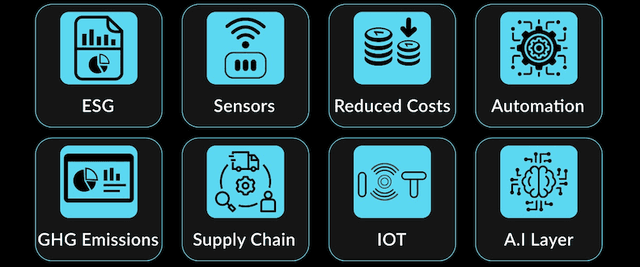

AI is increasingly becoming a powerful tool in accelerating decarbonisation in the cement industry, particularly because cement production is highly process-driven, data-intensive, and energy-heavy. Platforms like Zero Carbon One can leverage artificial intelligence not only to measure emissions but also to optimise operations, identify decarbonisation opportunities, and guide strategic decision-making. By integrating AI with industrial data, Zero Carbon One has positioned itself as a pioneer in digital decarbonisation solutions for cement and other hard-to-abate sectors.
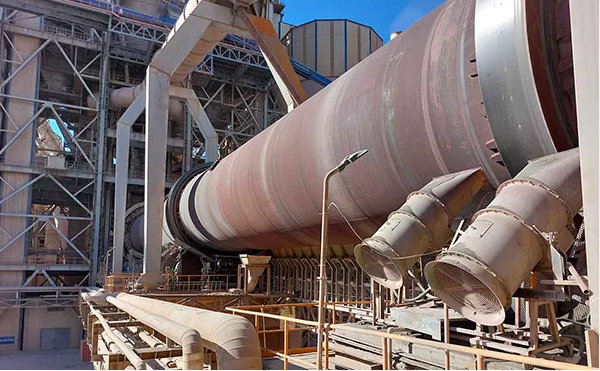
One of the biggest advantages of AI in cement manufacturing is its ability to analyse large volumes of plant data in real time. Cement plants generate massive datasets from sensors across kilns, grinders, boilers, and energy systems. AI models can process this information to identify inefficiencies that human operators might miss. For example, AI-driven process optimisation can help improve kiln efficiency, which is the most energy-intensive stage of cement production. By continuously analysing temperature patterns, fuel mix, airflow, and feed composition, AI systems can recommend adjustments that reduce fuel consumption and stabilise kiln performance. Even small improvements in kiln efficiency can significantly reduce emissions because the kiln accounts for most of the plant’s energy use.
AI can also play a major role in fuel optimisation and alternative fuel integration. Many cement companies are trying to replace coal or petcoke with alternative fuels(AFR) such as biomass, refuse-derived fuel (RDF), and industrial waste. However, managing variable fuel quality is operationally complex. AI can analyse combustion patterns and predict optimal fuel blending ratios that maintain kiln stability while increasing the share of low-carbon fuels. Cement plants consume both thermal and electrical energy across multiple processes and AI can contribute to energy management. AI-based energy management systems can track energy flows across the plant, detect anomalies, and recommend operational changes that improve efficiency. This may include optimising grinding operations, scheduling equipment during lower grid emission periods, or improving waste heat recovery performance.
RAW MATERIALS
│
▼
Preheater
│
▼
Kiln ← AI Process Optimisation
│
▼
Clinker
│
▼
Grinding ← AI Energy Optimisation
│
▼
Cement Production
Figure 1: Flow chart showing where AI intervenes in a cement plant
AI can also support clinker factor reduction, which is one of the most effective ways to reduce cement emissions. By analysing raw material availability, production constraints, and performance requirements, AI tools can help identify optimal cement formulations that maximise the use of supplementary cementitious materials such as fly ash, slag, or calcined clay while maintaining product quality. In addition to operational improvements, AI is extremely valuable in carbon accounting and compliance. As carbon regulations tighten, through mechanisms such as carbon markets, disclosure frameworks, and cross-border regulations, companies need precise emission tracking. AI systems can automate data collection across fuel consumption, electricity use, and production volumes, ensuring accurate Scope 1 and Scope 2 emissions reporting while also identifying emission reduction opportunities.
| Cement Process Area | AI Application | Decarbonisation Impact |
| Kiln operations | AI-based temperature, airflow and feed optimisation | Reduced fuel consumption and stable kiln performance |
| Fuel management | AI prediction of optimal AFR blending ratios | Increased use of biomass, RDF, and industrial waste |
| Energy management | AI monitoring of electricity and thermal energy flows | Reduced energy intensity across plant operations |
| Grinding operations | AI optimisation of grinding efficiency | Lower electricity consumption |
| Clinker factor optimisation | AI-assisted cement formulation analysis | Reduced clinker requirement and emissions |
| Carbon accounting | Automated emissions data collection and analysis | Accurate Scope 1 and Scope 2 reporting |
Table 1: AI applications across cement plants
AI for Emissions Monitoring and GEI Reduction
Artificial intelligence can significantly strengthen emissions monitoring in cement plants, enabling companies to move from periodic reporting to continuous carbon tracking. Traditionally, emissions are calculated annually using production and fuel data. AI systems, however, can process plant-level operational data in real time to estimate Greenhouse Gas Emission Intensity (GEI), measured as tonnes of CO₂ per tonne of cement.
By integrating data from kilns, fuel systems, and electricity consumption, AI platforms can create live emissions dashboards that show how each process contributes to the plant’s overall carbon footprint. This allows operators to quickly identify emission hotspots and take corrective action before inefficiencies escalate. For instance, abnormal fuel consumption in the kiln or increased electricity usage in grinding operations can trigger predictive alerts, enabling faster operational adjustments.
AI tools can also support benchmarking across plants within the same company, helping management compare emission intensity, identify best-performing units, and replicate efficient practices across facilities.
| AI Capability | Application in Cement Plants | Decarbonisation Benefit |
| Real-time GEI tracking | Continuous monitoring of emissions per tonne of cement | Early identification of emission hotspots |
| Emissions dashboards | Visualisation of kiln, fuel, and electricity emissions | Improved operational transparency |
| Plant benchmarking | Comparing emission intensity across plants | Adoption of best operational practices |
| Predictive alerts | Detection of abnormal emission patterns | Faster corrective action and efficiency gains |
AI and Regulatory Readiness
As climate regulations expand globally, cement companies must maintain accurate and transparent emissions reporting. AI-powered platforms can play a critical role in helping companies stay compliant with emerging regulatory frameworks and disclosure requirements.
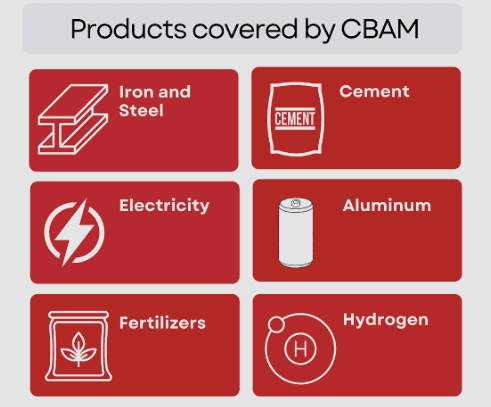
In India, the upcoming Carbon Credit Trading System (CCTS) will require companies to monitor and report their emissions intensity regularly. Similarly, exporters supplying cement or clinker to Europe may face reporting requirements under the Carbon Border Adjustment Mechanism (CBAM). At the corporate level, companies are also aligning with global frameworks such as Science-Based Targets (SBTi) and broader ESG disclosure standards.
AI-based carbon management platforms can automate much of this process by integrating plant data with emissions calculation methodologies. Instead of relying on manual spreadsheets, companies can generate standardised, compliance-ready reports with consistent emission factors and transparent data trails.
| Regulatory Requirement | AI Support |
| Carbon Credit Trading System (CCTS) | Automated tracking of emission intensity and reporting formats |
| Carbon Border Adjustment Mechanism (EU) | Accurate emissions data for exported cement or clinker |
| Science-Based Targets (SBTi) | Monitoring progress toward emission reduction targets |
| ESG disclosures | Automated emissions inventories and reporting |
Digital Twins and Predictive Cement Plants
Beyond monitoring current emissions, AI can also help cement companies simulate future decarbonisation strategies through the use of digital twins. A digital twin is a virtual replica of a cement plant that uses operational data to model how different processes behave under changing conditions.
With such simulations, companies can test potential decarbonisation strategies before implementing them in real operations. For example, operators can evaluate how increasing Alternative Fuel and Raw Material (AFR) substitution from 20% to 40% might affect kiln stability, fuel consumption, and emissions.
Digital twins can also be used to assess energy optimisation strategies, raw material changes, or clinker factor reduction, helping companies identify the most cost-effective pathways for lowering emissions.
How Zero Carbon One Can Act as a Pioneer
Zero Carbon One can distinguish itself by evolving from a simple carbon accounting platform into an AI-driven decision-support system for cement sector decarbonisation. While many platforms focus only on emissions reporting, Zero Carbon One integrates plant-level operational data with emissions calculations to provide real-time carbon intelligence. Cement companies can track emissions per tonne of clinker or cement, helping identify the specific processes, such as kiln fuel use or electricity consumption, that drive their greenhouse gas emissions.
The platform can also support regulatory compliance under India’s Carbon Credit Trading System (CCTS). Cement companies can upload their data directly in the Bureau of Energy Efficiency (BEE) reporting format, enabling automated emissions calculations and consistent tracking of Greenhouse Gas Emission Intensity (GEI) over time.
A major strength of Zero Carbon One lies in its cement-trained AI models. Unlike generic carbon tools, the platform analyses plant data to generate practical, plant-wise decarbonisation recommendations, such as improving kiln efficiency, increasing alternative fuel substitution, reducing clinker factor through supplementary materials, or optimising energy consumption.
Additionally, the platform can provide scenario modelling for transition planning, helping companies evaluate investments in technologies like waste heat recovery or carbon capture. By combining AI analytics, regulatory reporting, and sector-specific insights, Zero Carbon One can become a pioneer in enabling practical, data-driven decarbonisation in the cement industry.
Challenges in Applying AI in Cement Plants
While AI offers strong potential for industrial decarbonisation, its adoption in cement plants is not without challenges. Many plants operate with legacy control systems and fragmented data infrastructure, making integration with advanced digital platforms difficult.
Another common issue is data quality. AI systems require reliable operational data from sensors and monitoring systems. In older plants, inconsistent data collection can limit the accuracy of AI-based insights.
Additionally, digital transformation requires organisational change. Plant operators may initially be hesitant to rely on automated recommendations, particularly in highly sensitive operations such as kiln management.
The Future of AI-Driven Industrial Decarbonisation
Decarbonising cement is not just a technological challenge; it is also a data and decision-making challenge. AI could transform how cement plants operate by turning operational data into actionable climate strategies. If platforms like Zero Carbon One combine deep industry knowledge, AI-driven analytics, and real-time carbon intelligence, they can move beyond simple emissions tracking and become strategic partners in the transition to low-carbon cement production. In doing so, they would not only help companies meet regulatory and climate commitments but also set a new standard for how digital technologies can drive industrial sustainability.