
The pharmaceutical industry sits at a unique intersection of human welfare and industrial complexity. It saves lives, extends longevity, and underpins modern healthcare systems. Yet, behind every tablet, vaccine, or injectable lies a resource-intensive process, one that is increasingly coming under scrutiny for its carbon footprint. As climate accountability deepens across sectors, a fundamental question emerges: how carbon-intensive is pharma, really?
While historically the sector has escaped the same level of scrutiny as heavy industries, growing ESG regulations, investor pressure, and supply chain disclosures are now bringing pharma into sharper focus. What was once considered a “low-emission” sector is now being re-evaluated through a lifecycle lens.
The Invisible Footprint
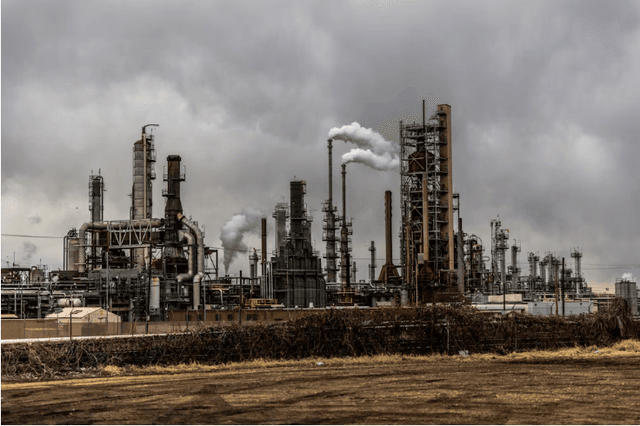
At first glance, pharmaceuticals may not appear as carbon-heavy as sectors like steel or cement. There are no blast furnaces or smokestacks dominating skylines. However, this perception is misleading. The industry’s emissions are often distributed, complex, and hidden across highly specialized processes.
Pharma emissions stem from:
- Energy-intensive manufacturing of Active Pharmaceutical Ingredients (APIs)
- Extensive use of solvents and chemicals
- Sterile and controlled production environments (cleanrooms)
- Cold-chain logistics for temperature-sensitive drugs
- A vast, globalized supply chain
Unlike heavy industries where emissions are concentrated, pharma’s carbon footprint is diffuse and embedded across the lifecycle making it harder to measure and manage.
In fact, studies increasingly show that emissions per unit of economic output in pharma can rival or exceed sectors traditionally considered “hard-to-abate.” The challenge lies not in visibility, but in fragmentation emissions are spread across hundreds of suppliers, contract manufacturers, and logistics providers.
Breaking Down Emissions: Scope 1, 2, and 3
A deeper look at emissions reveals that the pharmaceutical sector is not just about what happens inside factories.
| Emission Scope | Key Sources in Pharma | Relative Contribution |
| Scope 1 (Direct) | On-site fuel use, process emissions (chemical reactions) | Moderate |
| Scope 2 (Indirect energy) | Electricity for cleanrooms, HVAC systems, labs | Significant |
| Scope 3 (Value chain) | Raw material sourcing, packaging, logistics, product use & disposal | Dominant |
What stands out is the dominance of Scope 3 emissions, often accounting for 70–90% of total emissions in leading pharmaceutical companies. This includes emissions from suppliers manufacturing intermediates, transportation across continents, and even end-of-life disposal of products.
In other words, pharma’s biggest carbon problem lies outside its direct control. This creates a governance challenge: while companies are increasingly setting net-zero targets, their ability to influence supplier behavior remains limited. Supplier engagement, data transparency, and digital MRV systems are therefore becoming central to credible decarbonization strategies.
Manufacturing: Small Volumes, High Energy
Pharmaceutical production is fundamentally different from bulk manufacturing. Drugs are produced in small batches, under stringent quality and safety requirements. This leads to:
- High energy intensity per unit output
- Continuous operation of HVAC and filtration systems
- Frequent cleaning and sterilization cycles
- Significant solvent use and waste generation
Particularly, API manufacturing is a hotspot. Complex synthesis routes, multiple reaction steps, and purification processes mean that energy use per kilogram of product can be extremely high.
| Process Stage | Emission Drivers | Carbon Intensity Insight |
| API Synthesis | Heat, pressure, solvents | Very high |
| Formulation | Mixing, granulation, drying | Moderate |
| Packaging | Plastics, aluminum, glass | Moderate |
| Quality Control | Lab testing, equipment use | Low–moderate |
This paradox - low volume but high intensity is what makes pharma uniquely carbon-intensive in its own way. Additionally, compliance-driven redundancies such as backup systems, overcapacity in cleanrooms, and validation requirements further increase energy demand. Unlike other industries, efficiency improvements must pass strict regulatory validation, slowing down adoption.
The Role of Product Design and Drug Development
One of the most overlooked contributors to pharmaceutical emissions lies at the very beginning of the value chain: drug design and development. Decisions made during R&D often years before commercialisation, can significantly influence the eventual carbon footprint of a medicine.
The choice of synthesis pathway, the number of reaction steps, solvent intensity, and yield efficiency all determine how resource-intensive production will be. A complex molecule with low yield may require multiple processing cycles, higher energy input, and greater material use amplifying emissions long before manufacturing begins at scale.
Moreover, drug formulation and delivery mechanisms also play a role. For instance:
- Inhalers using hydrofluorocarbon (HFC) propellants have a high global warming potential
- Biologics often require cold storage and specialized transport, increasing lifecycle emissions
- Packaging decisions (single-use plastics vs recyclable materials) further add to the footprint
Traditionally, these decisions have been driven by efficacy, safety, and cost. However, there is a growing push toward “green-by-design” pharmaceuticals, where environmental impact is considered alongside therapeutic performance. This includes:
- Designing synthetic routes with fewer steps
- Using greener solvents and catalysts
- Improving reaction yields to reduce waste
- Exploring alternative drug delivery systems with lower emissions
While still an emerging concept, integrating sustainability into R&D could be one of the most impactful levers for reducing pharma’s long-term carbon footprint because emissions avoided at the design stage are far harder to eliminate later.
The Cold Chain and Global Supply Web
Unlike many industries, pharmaceuticals rely heavily on temperature-controlled logistics. Vaccines, biologics, and even some generics must be stored and transported within strict temperature ranges. This results in refrigerated transport systems, energy-intensive storage facilities and increased packaging (insulated materials, dry ice, etc.)
Additionally, pharma supply chains are deeply globalized. Raw materials may be sourced from one continent, APIs manufactured in another, and final products distributed worldwide. Each stage adds layers of transportation emissions.
The result is a carbon-heavy logistics backbone, often underestimated in corporate disclosures. The rise of biologics and mRNA-based therapies has further intensified this challenge, as these products often require ultra-cold storage conditions, significantly increasing energy use across the distribution network.
Why Pharma’s Emissions Are Hard to Fix
Decarbonizing pharma is not straightforward. Unlike sectors where switching to renewable energy can significantly reduce emissions, pharma faces structural challenges:
- Regulatory rigidity: Any change in process requires re-approval
- Quality constraints: Safety cannot be compromised for sustainability
- Complex supply chains: Limited visibility into upstream emissions
- Technological lock-in: Legacy manufacturing systems
Moreover, innovations like green chemistry or continuous manufacturing, while promising, are not yet universally adopted. There is also an inherent tension between resilience and efficiency. Post-COVID, many companies are diversifying supply chains and increasing redundancy- moves that improve reliability but may inadvertently increase emissions.
The Road Ahead
Despite these challenges, the industry is beginning to respond. Leading companies are investing in:
- Renewable energy procurement
- Supplier engagement for Scope 3 reductions
- Digital MRV (Monitoring, Reporting, Verification) systems
- Process innovation through green chemistry
However, the shift required is not incremental it is systemic. Pharma must move from viewing emissions as a reporting requirement to treating them as a core operational metric.
Conclusion: A Quiet but Significant Emitter
So, how carbon-intensive is the pharmaceutical industry? The answer is nuanced. It may not rival heavy industries in absolute emissions, but in terms of carbon intensity per unit and complexity of emissions, it is far from negligible.
Pharma’s emissions are not loud or visible but they are deeply embedded, globally dispersed, and structurally challenging. As healthcare demand rises and climate expectations tighten, the industry faces a defining question: Can it continue to heal people without quietly harming the planet? The answer will depend on how quickly the sector can align innovation with sustainability because in the future, delivering health outcomes without environmental cost will not just be desirable, it will be expected.