
The cement industry sits at the centre of the global development story. Cement builds the homes we live in, the roads we travel on, and the infrastructure that powers economic growth. At the same time, it is one of the most carbon-intensive industries in the world. Because of this dual role, essential yet environmentally challenging, the cement sector is increasingly under pressure to operate responsibly. This is where materiality becomes important. Materiality helps companies identify which environmental, social, and governance (ESG) issues are the most important to their business and stakeholders. Instead of trying to address every possible sustainability issue, companies focus on the ones that have the greatest impact. In the cement sector, where operations are resource-intensive and closely linked with communities, understanding material topics is critical for credible sustainability strategies and reporting.
In sustainability and ESG reporting, materiality refers to the process of identifying and prioritising issues that significantly affect a company's operations, financial performance, environmental footprint, and stakeholder relationships. For a cement company, material issues are those that can influence long-term business performance, environmental and climate impact, relationships with communities and regulators, investor and market expectations. A materiality assessment typically involves consulting internal teams, industry experts, investors, suppliers, regulators, and communities to understand what matters most. The result is usually visualised through a materiality matrix, which ranks issues based on two dimensions that are importance to stakeholders and impact on the business.
Stakeholder Consultation
(Investors, communities,
regulators, suppliers)
│
▼
Identification of ESG Issues
│
▼
Issue Prioritisation
(Impact vs Importance)
│
▼
Materiality Matrix
│
▼
Sustainability Strategy
Figure 1: Materiality Assessment Process
Why materiality is critical for the cement industry?
Materiality is particularly important for cement companies because the industry operates at the intersection of industrial production, environmental impact, and social responsibility.
The cement sector contributes significantly to global carbon emissions. Most emissions come from the calcination process in clinker production and the use of fossil fuels in kilns. Because of this, climate change mitigation and decarbonisation strategies are almost always top material issues. Moreover, cement plants rely heavily on natural resources such as limestone, clay, and water. Responsible mining practices and resource efficiency therefore become material concerns for both regulators and local communities. Cement plants are often located near rural or semi-urban communities. This creates social responsibilities around employment, community welfare, air quality, and land restoration. As a result, materiality helps companies balance operational efficiency, environmental responsibility, and social accountability.
Although the specific priorities may vary across companies and regions, several sustainability issues consistently emerge as material for the global cement industry. These issues reflect the sector’s significant environmental footprint, resource intensity, and close interaction with surrounding communities.
| Material Issue | Why It Matters | Example Actions |
| Climate change & decarbonisation | Cement accounts for ~7–8% of global CO₂ emissions | Clinker reduction, carbon capture, alternative fuels |
| Energy consumption | Cement kilns operate above 1400°C | Waste heat recovery, renewable energy |
| Raw material management | Heavy reliance on limestone and minerals | Sustainable quarrying, clinker substitution |
| Air emissions | Dust, NOx, SOx affect local air quality | Bag filters, emission monitoring systems |
| Occupational health & safety | High-temperature industrial processes | Safety training, workplace monitoring |
| Community engagement | Plants often near rural communities | Community programs, transparent communication |
Table 1: Key Material sustainability issues in the cement industry
One of the most critical concerns is climate change and decarbonisation. Cement production contributes nearly 7–8% of global carbon dioxide emissions, largely due to the calcination process during clinker production and the heavy use of fossil fuels in kilns. As climate commitments become stronger worldwide, cement companies are under increasing pressure to reduce their emissions. To address this challenge, many companies are pursuing a combination of strategies such as reducing the clinker content in cement, increasing the use of alternative fuels like biomass or refuse-derived fuel, improving energy efficiency within kiln operations, and exploring emerging technologies such as carbon capture and storage. At the same time, investors and regulators are encouraging cement manufacturers to align their decarbonisation pathways with science-based targets and broader global climate goals.
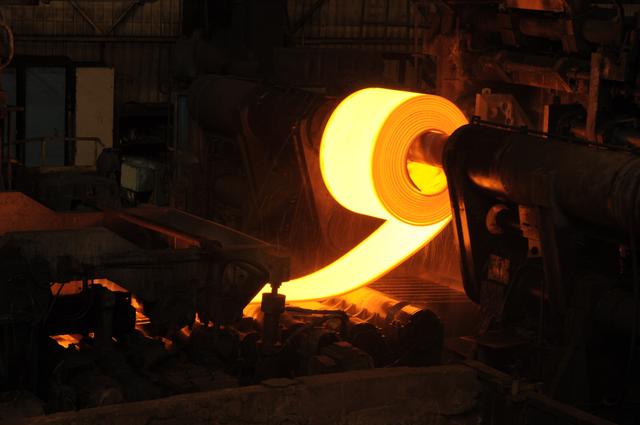
Another important material issue is energy consumption and efficiency. Cement manufacturing is highly energy-intensive, particularly because kilns must operate at extremely high temperature, often exceeding 1400°C. This makes energy a major operational cost as well as a key contributor to emissions. As a result, companies are increasingly focusing on improving energy efficiency through technological upgrades, process optimisation, and digital monitoring systems. Many plants are also adopting waste heat recovery systems and sourcing renewable electricity where possible to reduce their energy footprint.
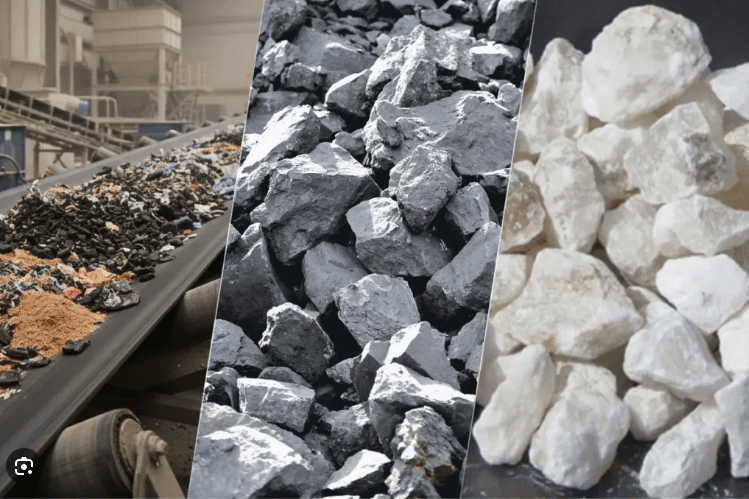
The management of raw materials and the transition toward a circular economy is also a significant area of focus. Cement production depends heavily on mined resources, particularly limestone, which raises concerns around resource depletion and land disturbance. Responsible quarry management, therefore, becomes an essential component of sustainable operations. In addition, many companies are incorporating industrial by-products such as fly ash and blast furnace slag into their cement blends. These materials help reduce the clinker content in cement, which in turn lowers both raw material extraction and carbon emissions.
Cement plants also have an impact on local air quality and environmental conditions. Emissions such as particulate matter, nitrogen oxides, and sulphur oxides can affect the surrounding environment if not properly controlled. To address these concerns, modern cement plants deploy emission control technologies such as bag filters, electrostatic precipitators, and advanced monitoring systems to ensure compliance with environmental standards and to minimise impacts on nearby communities.
Another key area is occupational health and safety. Cement manufacturing involves heavy equipment, high-temperature processes, and extensive material handling operations, all of which present potential safety risks. Ensuring the well-being of workers is therefore a fundamental responsibility for cement companies. Maintaining strong safety protocols, providing continuous training, and fostering a culture of safety awareness are essential for preventing accidents and ensuring a safe working environment.
Finally, community engagement and social impact remain critical considerations for the cement industry. Cement plants are often located close to rural or semi-urban communities, making it important for companies to maintain transparent and positive relationships with local stakeholders. Common concerns raised by communities include dust and noise from plant operations, transportation impacts from raw material and product movement, land-use changes due to quarrying activities, and local employment opportunities. Responsible cement companies address these issues through proactive community engagement, investments in local development initiatives, and open communication with residents and local authorities.
Materiality assessments play a central role in sustainability reporting frameworks such as GRI, ESG disclosures, and corporate sustainability reports. By clearly identifying material topics, companies can focus their sustainability strategies, improve transparency and accountability, align with investor expectations, demonstrate leadership in climate action and responsible manufacturing. For stakeholders, a well-conducted materiality assessment signals that the company understands its impacts and is prioritising the right issues.
The future of the cement industry will depend heavily on how effectively companies address their material sustainability challenges. Decarbonisation technologies, circular economy practices, digital efficiency improvements, and responsible resource management will all shape the industry's transition. Materiality helps cement companies navigate this complex transition. By focusing on the issues that truly matter—to both business performance and societal impact, the industry can move toward a more sustainable and resilient future. In the end, materiality is not just a reporting exercise. For the cement sector, it is a roadmap for transforming one of the world's most essential industries into a climate-responsible one.