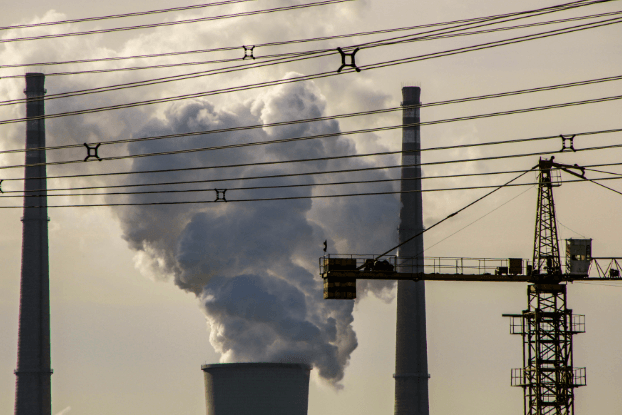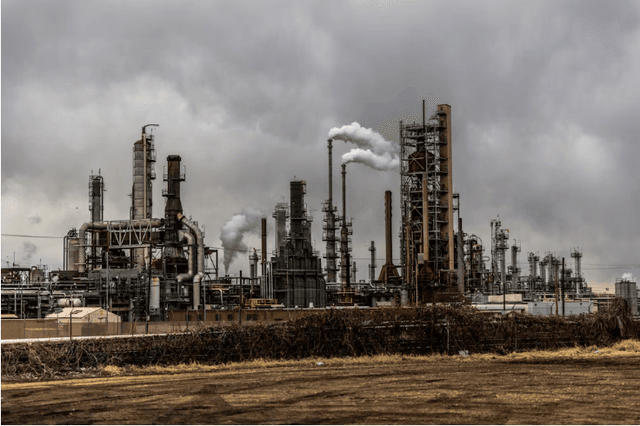

Steel is the backbone of modern infrastructure. From buildings and bridges to automobiles and renewable energy systems, steel is an indispensable material that supports economic development across the world. However, the production of steel is also one of the largest industrial sources of greenhouse gas emissions. The iron and steel sector accounts for roughly 7–9% of global carbon dioxide emissions, largely because conventional steelmaking relies heavily on coal-based processes. As countries pursue climate goals and industries transition toward net-zero emissions, the concept of green steel has emerged as a key pathway for reducing the carbon footprint of this essential material.
Green steel refers to steel produced with significantly lower greenhouse gas emissions compared to traditional steelmaking methods. Achieving this requires a combination of technological innovation, energy transition, and improved material efficiency. Understanding the transition toward green steel begins with examining how steel is traditionally produced and why this process is so carbon intensive.
Why Conventional Steel Production Is Carbon Intensive
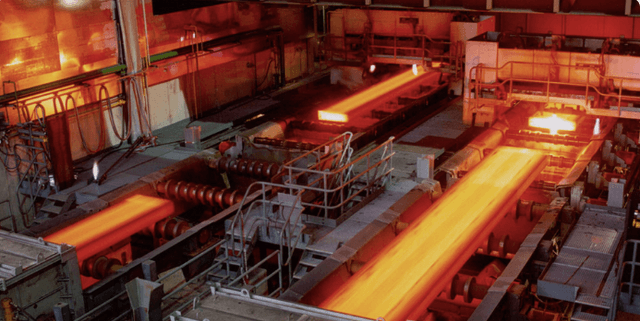
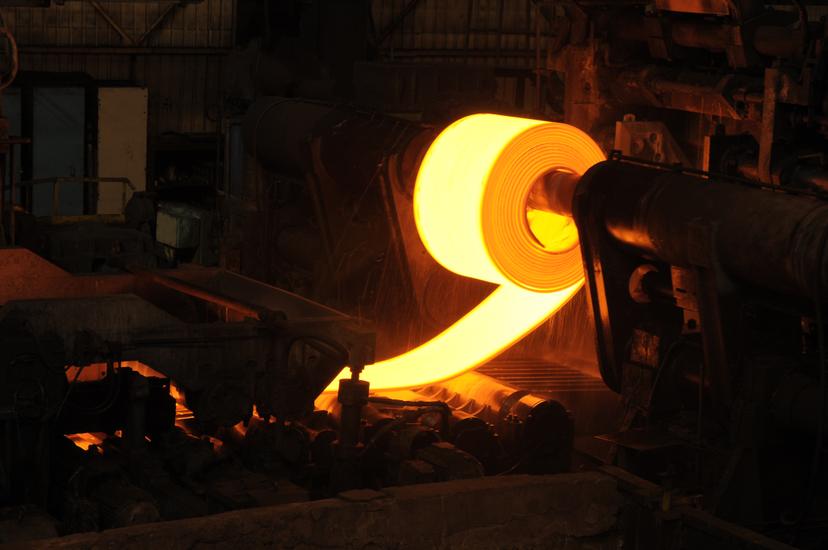
The majority of steel today is produced through the blast furnace–basic oxygen furnace (BF–BOF) route. In this process, iron ore is reduced using coke, a coal-derived fuel that acts both as an energy source and a chemical reducing agent. When coke reacts with oxygen in the furnace, it produces carbon monoxide, which then removes oxygen from iron ore to produce molten iron. While effective, this reaction releases large amounts of carbon dioxide.
Because coal is embedded in the chemistry of the process, emissions are difficult to eliminate. As a result, transforming the steel sector requires reimagining both the chemistry and energy sources used in steelmaking.
Iron Ore + Coke
│
▼
Blast Furnace
(Iron Reduction)
│
▼
Molten Iron
│
▼
Basic Oxygen Furnace
│
▼
Steel
Figure: STEEL PRODUCTION- Simplified
Steel production emissions arise from three primary sources: chemical reduction reactions, fuel combustion, and electricity use. In conventional blast furnace production, the majority of emissions come from the use of coal as both an energy source and a reducing agent. Nearly two-thirds of emissions in conventional steel production come from the chemical reduction of iron ore using coal.
| Emission Source | Share of Steel Plant Emissions |
| Iron ore reduction (process emissions) | 60–65% |
| Fuel combustion (coal, PCI, gas) | 25–30% |
| Electricity consumption | 5–10% |
The scale of the steel industry highlights why its decarbonisation is so important for global climate goals. Today, global steel production stands at approximately 1.9 billion tonnes per year, making it one of the largest industrial sectors in the world. As infrastructure development, urbanisation, and manufacturing continue to expand, global demand for steel is projected to grow further, reaching around 2.3–2.5 billion tonnes by 2050. This large scale of production also translates into significant climate impacts. The iron and steel sector currently emits about 3.7 billion tonnes of carbon dioxide annually, accounting for roughly 7–9% of global CO₂ emissions. In fact, the total emissions from the steel industry alone are comparable to the annual emissions of an entire country like India, underscoring the urgent need to transition toward low-carbon and green steel production pathways.
Pathways Toward Green Steel
Several technological pathways are emerging that can significantly reduce emissions in steel production. These approaches vary in maturity, cost, and infrastructure requirements, but together they form the foundation of the green steel transition. Among these, electric arc furnaces and hydrogen-based reduction technologies are widely considered the most promising long-term solutions for low-carbon steel production.
| S. No | Decarbonisation Pathway | Description | Emission Reduction Potential |
| 1 | Electric Arc Furnace (EAF) with scrap | Steel produced by melting recycled scrap using electricity | 60–80% lower emissions depending on electricity source |
| 2 | Hydrogen-based Direct Reduced Iron (H₂-DRI) | Hydrogen replaces coal as the reducing agent in ironmaking | Up to 90% emission reduction |
| 3 | Carbon Capture, Utilisation and Storage (CCUS) | Captures CO₂ from blast furnace exhaust gases | 50–60% potential reduction |
| 4 | Increased scrap recycling | Expands circular use of steel materials | Reduces demand for virgin iron production |
Electric Arc Furnaces and the Role of Scrap
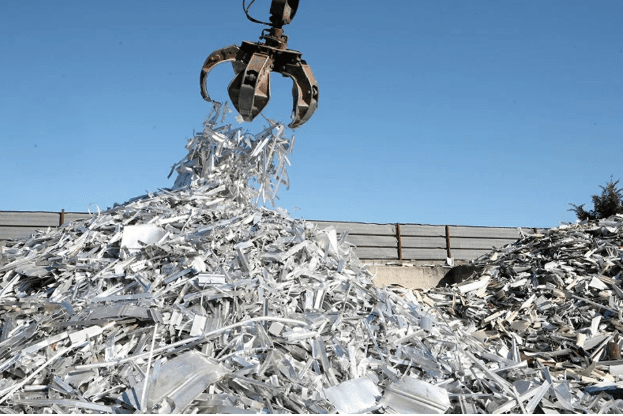
Electric Arc Furnaces (EAFs) produce steel by melting scrap metal using electricity rather than coal-based fuels. Because the process avoids the carbon-intensive reduction of iron ore, its emissions are significantly lower, particularly when powered by renewable electricity.
Scrap Steel
│
▼
Electric Arc Furnace
│
▼
Molten Steel
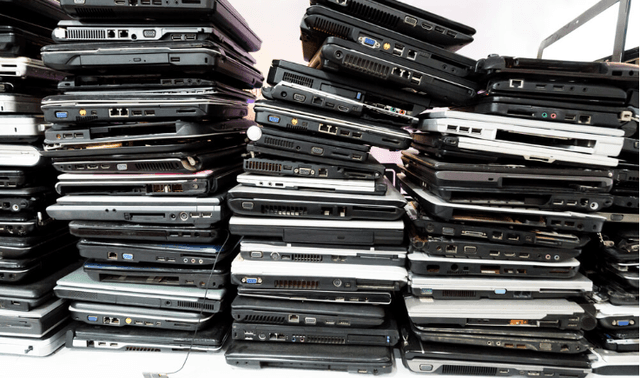
Recycling steel through EAFs also contributes to a circular economy, since steel can be recycled multiple times without losing its structural properties. Many developed economies already produce a significant share of their steel through scrap recycling, though expanding this pathway depends on the availability and quality of scrap material.
Hydrogen based steel making
It is one of the most transformative innovations in green steel is . Instead of using carbon monoxide derived from coal, hydrogen gas is used to remove oxygen from iron ore.
| Traditional Reaction |
| Iron ore + carbon → iron + CO₂ |
| Hydrogen-Based Reaction |
| Iron ore + hydrogen → iron + H₂O |
The key advantage of this approach is that the by-product is water vapour instead of carbon dioxide, dramatically lowering emissions when hydrogen is produced using renewable energy.
Hydrogen-based direct reduced iron (DRI) plants are currently being piloted in several countries, particularly in Europe, where companies are investing in green hydrogen infrastructure and renewable electricity capacity.
Challenges in green steel
Despite its potential, the transition toward green steel faces several challenges. Hydrogen-based steelmaking requires large quantities of RE and green hydrogen, both of which remain expensive and limited in supply. Retrofitting or replacing existing blast furnace infrastructure also requires substantial capital investment. Today, green steel produced using hydrogen can cost 30–70% more than conventional steel, though costs are expected to fall as hydrogen prices decline.
In many developing economies, including large steel-producing countries, the availability of high-quality scrap and renewable energy infrastructure can influence how quickly the industry transitions toward low-carbon technologies. As a result, policy frameworks, carbon pricing mechanisms, and international trade measures such as carbon border adjustments may play an important role in accelerating adoption. However, even with aggressive recycling, scrap-based production is expected to supply only around 40% of global steel demand by 2050.
The Future of Low-Carbon Steel
Demand for green steel is increasingly being driven by large global corporations that are looking to reduce emissions across their supply chains. Several major companies have begun committing to the use of low-carbon steel in their products. Automakers such as Volvo, Mercedes-Benz, and BMW have already announced partnerships with emerging green steel producers to secure low-emission materials for future vehicle production. Technology companies including Apple and Microsoft are also exploring low-carbon materials as part of broader corporate climate commitments and supply chain decarbonisation strategies. As sustainability targets tighten, demand from these sectors is expected to grow rapidly. In fact, analysts estimate that automotive manufacturers alone could drive demand for around 25–30 million tonnes of green steel annually by 2035, highlighting the growing market potential for low-carbon steel production.
The transformation of the steel industry is central to achieving global climate goals. As demand for steel continues to grow, driven by urbanisation, infrastructure expansion, and renewable energy development, the challenge is not to reduce steel production, but to produce steel more sustainably.
Green steel represents a fundamental shift in how one of the world’s most essential materials is produced. By combining clean energy, innovative metallurgy, recycling, and digital optimisation, the industry has the opportunity to significantly reduce its carbon footprint while continuing to support economic development.
In the coming decades, the transition toward green steel will likely redefine industrial production. Companies that invest early in low-carbon technologies and circular material systems will not only reduce emissions but also position themselves competitively in a world where sustainability increasingly shapes markets, policy, and global supply chains.